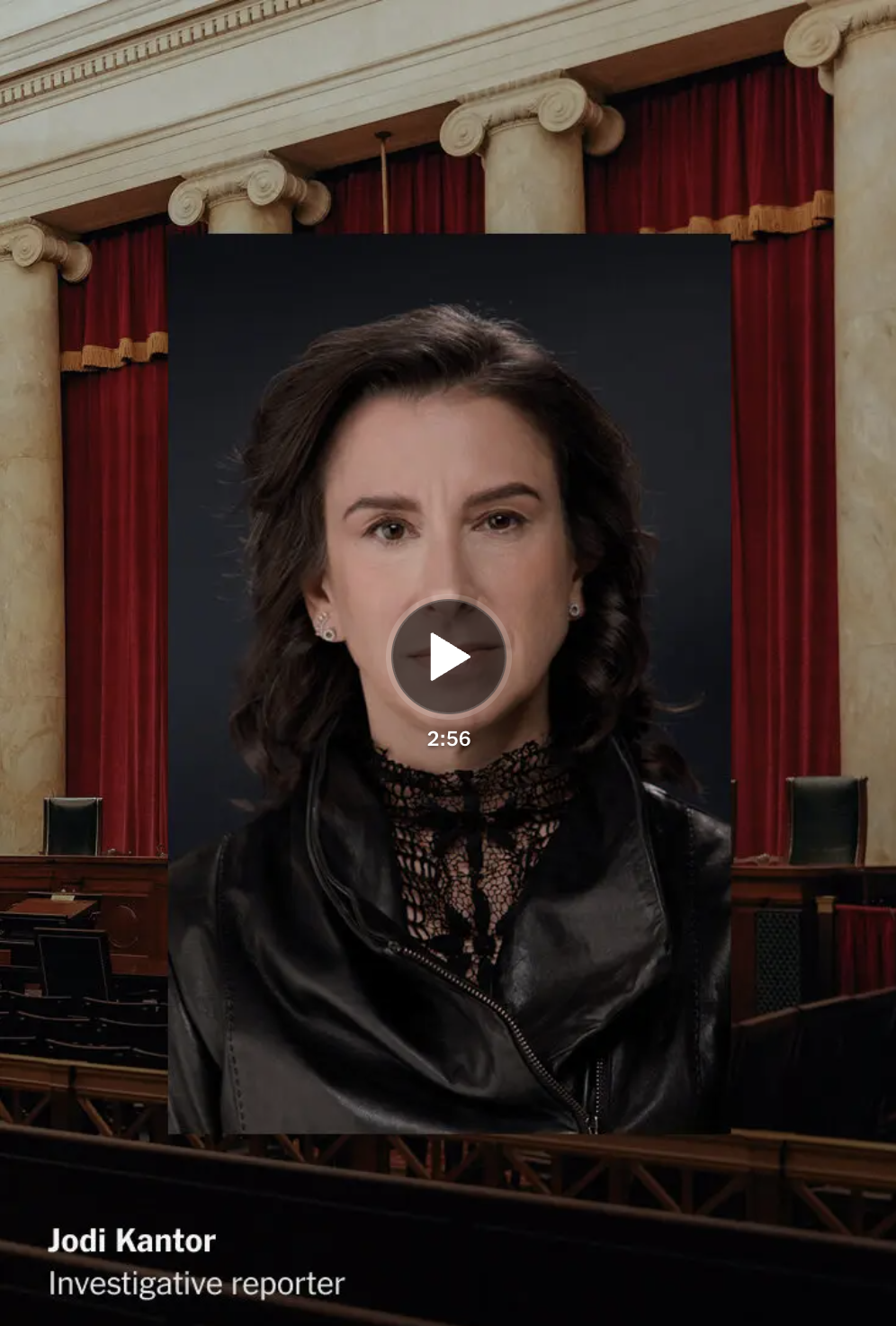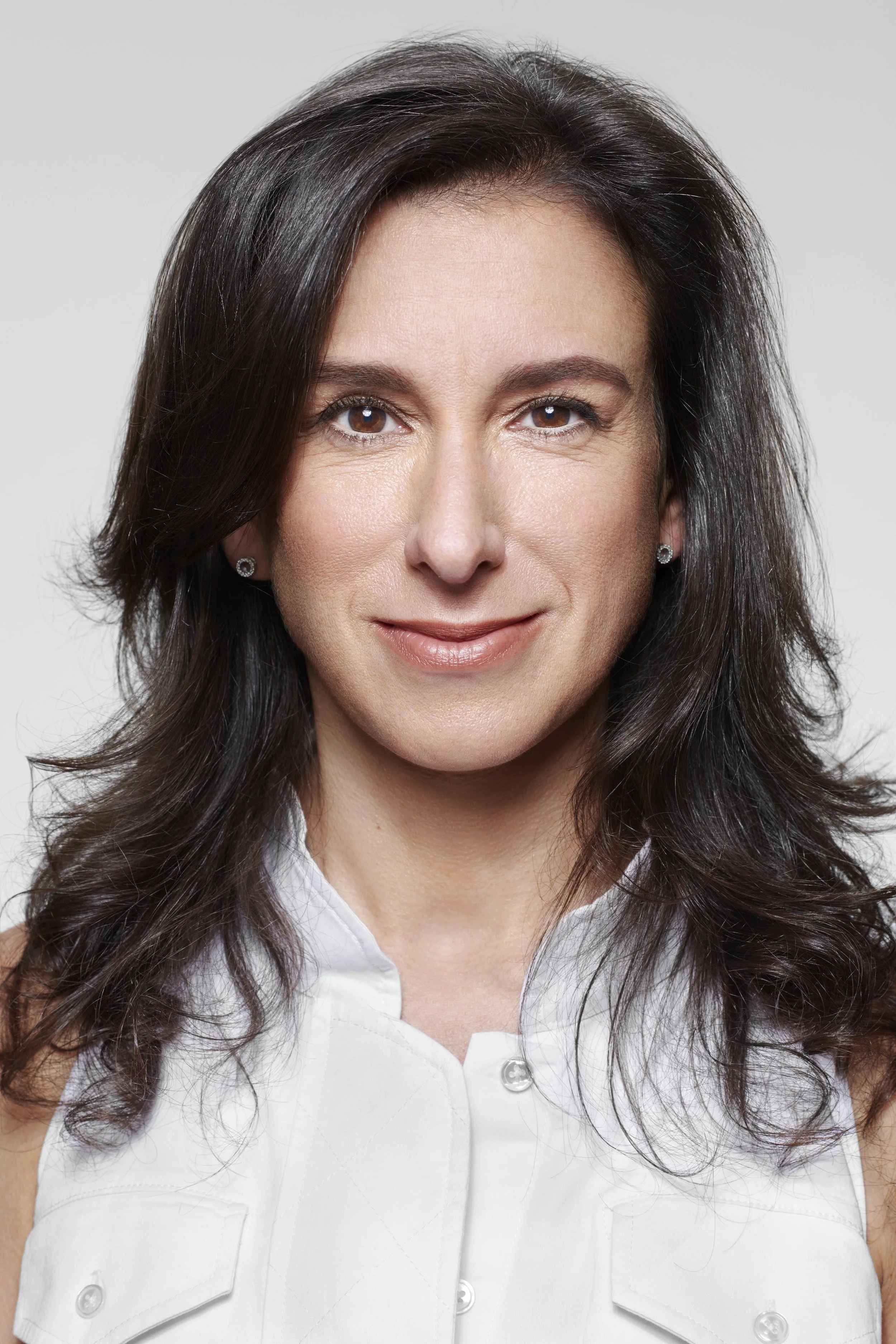
Hi, I’m Jodi.
I’m an investigative reporter at the New York Times. My job is to illuminate how power operates and coax out secrets that others assume can’t be told.
I love this work because of the way people respond to the truth. After I wrote about how tough it is for hourly workers to pump breast milk on the job, readers invented lactation pods. (Maybe you’ve passed them in airports.) My article about the havoc that scheduling algorithms caused for Starbucks workers helped spark a national fair-scheduling movement. After a colleague and I documented punishing workplace practices at Amazon, the company introduced paternity leave.
In 2017, Megan Twohey and I broke the story of decades of sexual abuse allegations against the Hollywood producer Harvey Weinstein. Our work helped ignite the #MeToo movement and spur cultural, corporate and legal changes around the globe. We were awarded the Pulitzer Prize for Public Service and other honors.
Megan and I wrote “She Said” to take readers behind the scenes and show the impact that even a small number of truth-tellers can have. (It was made into a terrific film, though full disclosure: I’ve never done an interview while pushing a stroller.) We also adapted the book into Chasing the Truth, a guide for young journalists.
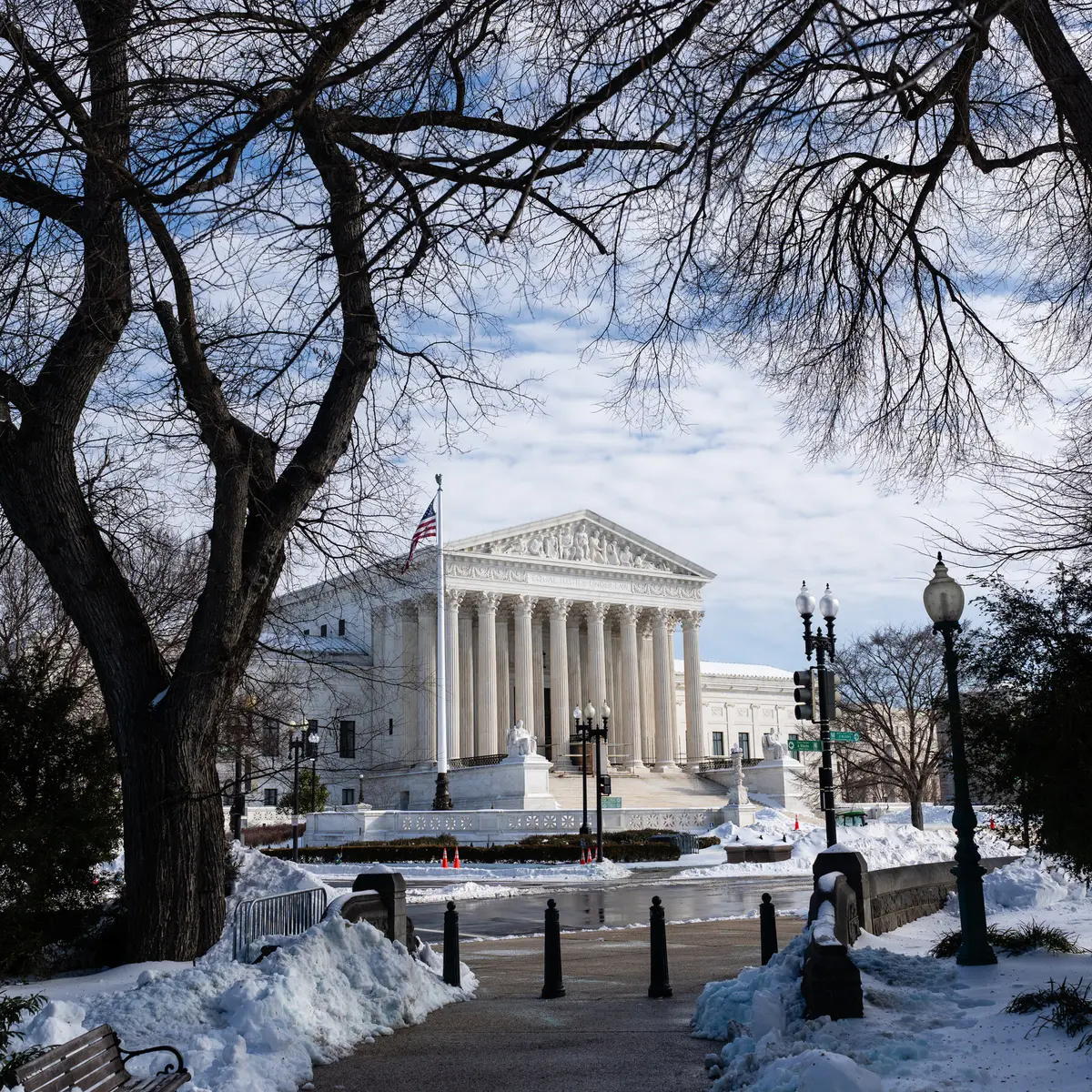
My current work is to illuminate the Supreme Court, which is at the center of our national story and yet a locked box. Over the past four years, working with colleagues, I’ve helped build a new system of coverage and revealed a secret influence effort, a schism among the liberal justices, the imposition of NDAs, two provocative flags displayed at the homes of Justice Samuel A. Alito Jr.; and the behind-the-scenes stories of how the justices overturned the constitutional right to abortion and awarded President Trump broad immunity from prosecution. You can read more about our team’s efforts here.
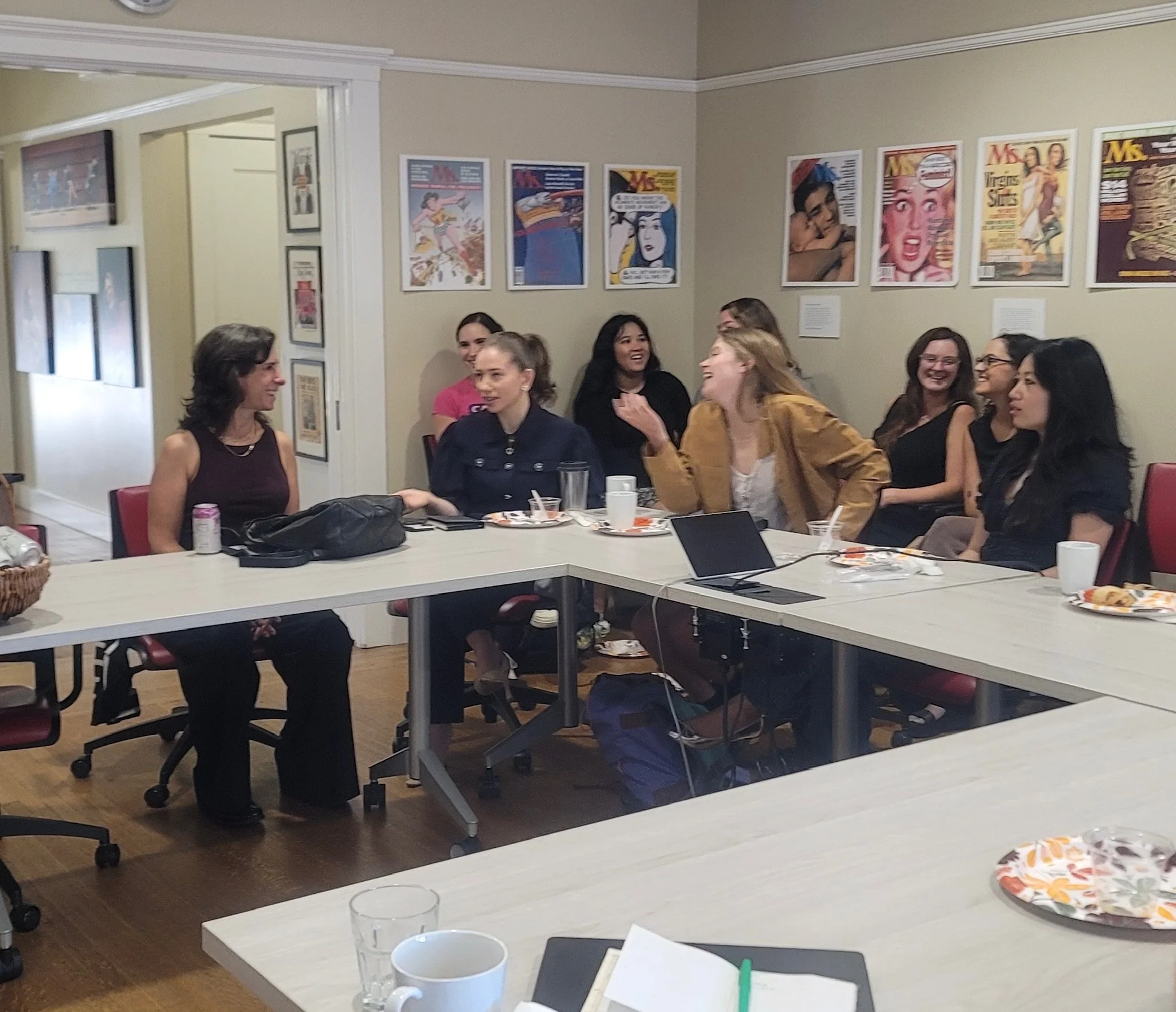
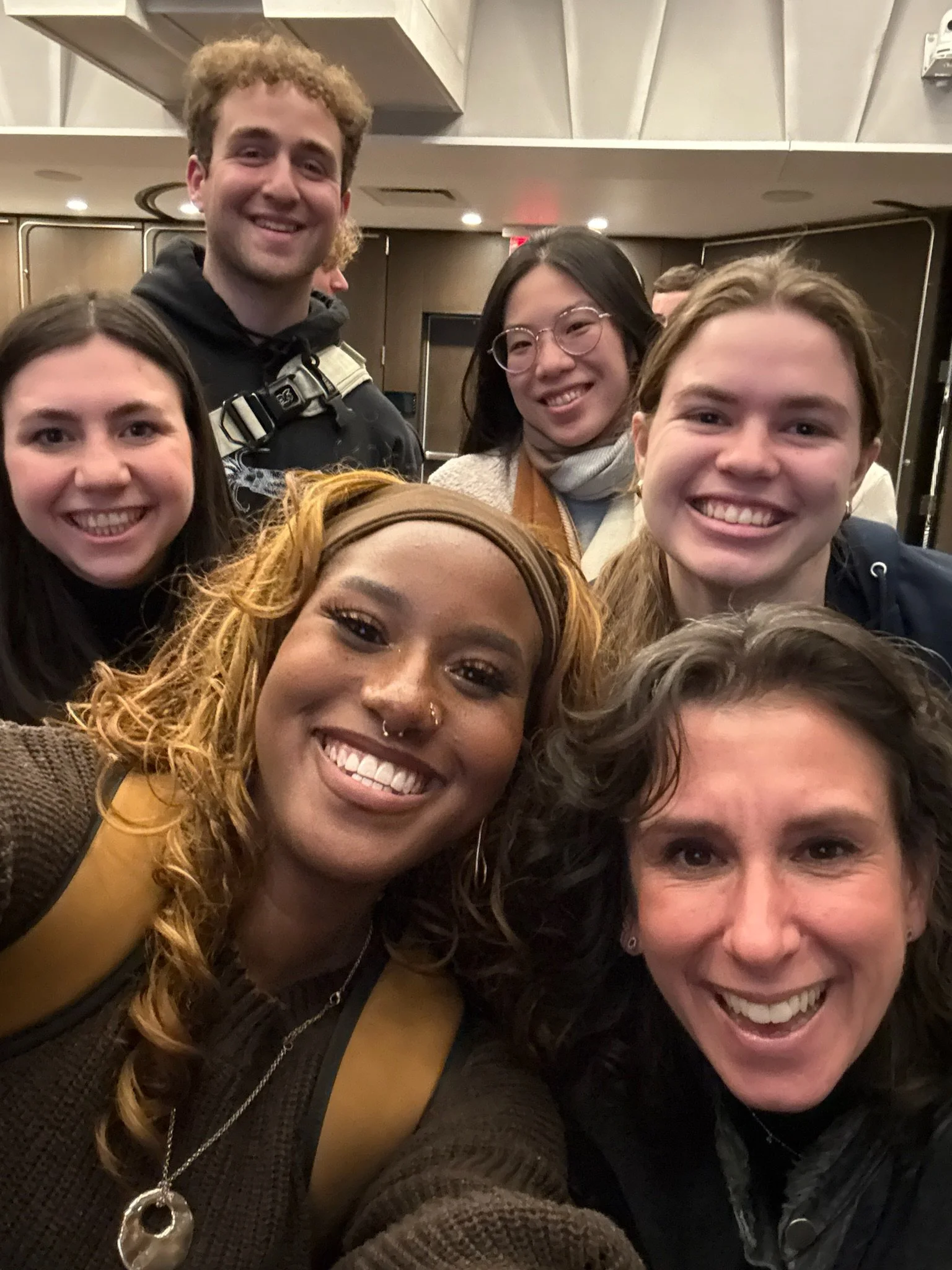
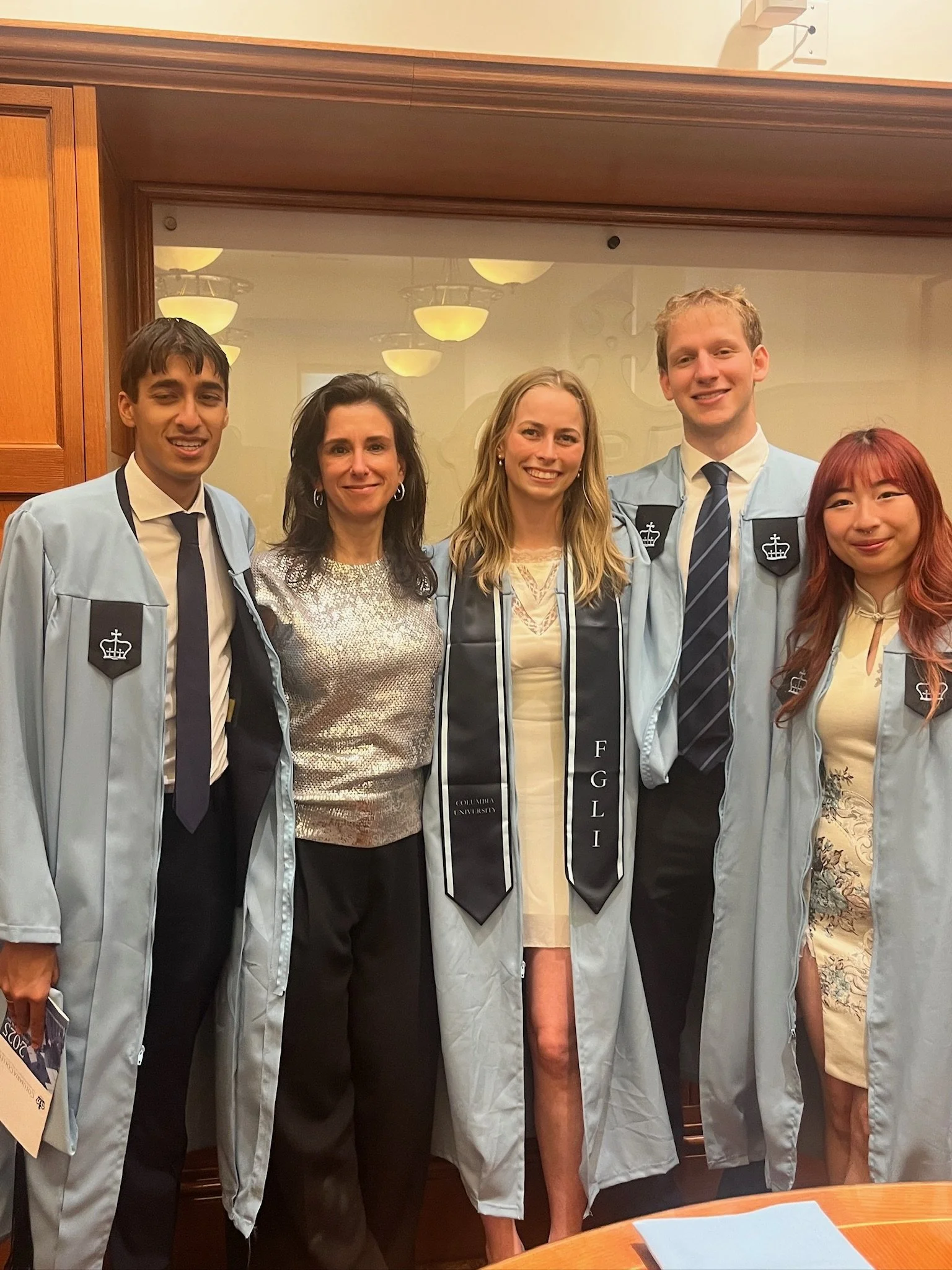
But my new book is on a somewhat unexpected topic. Early in 2025, at a painful low point for Columbia, students invited me to give the undergraduate commencement address, asking me: “How, in this crazy environment, are we supposed to find and start our life’s work?”
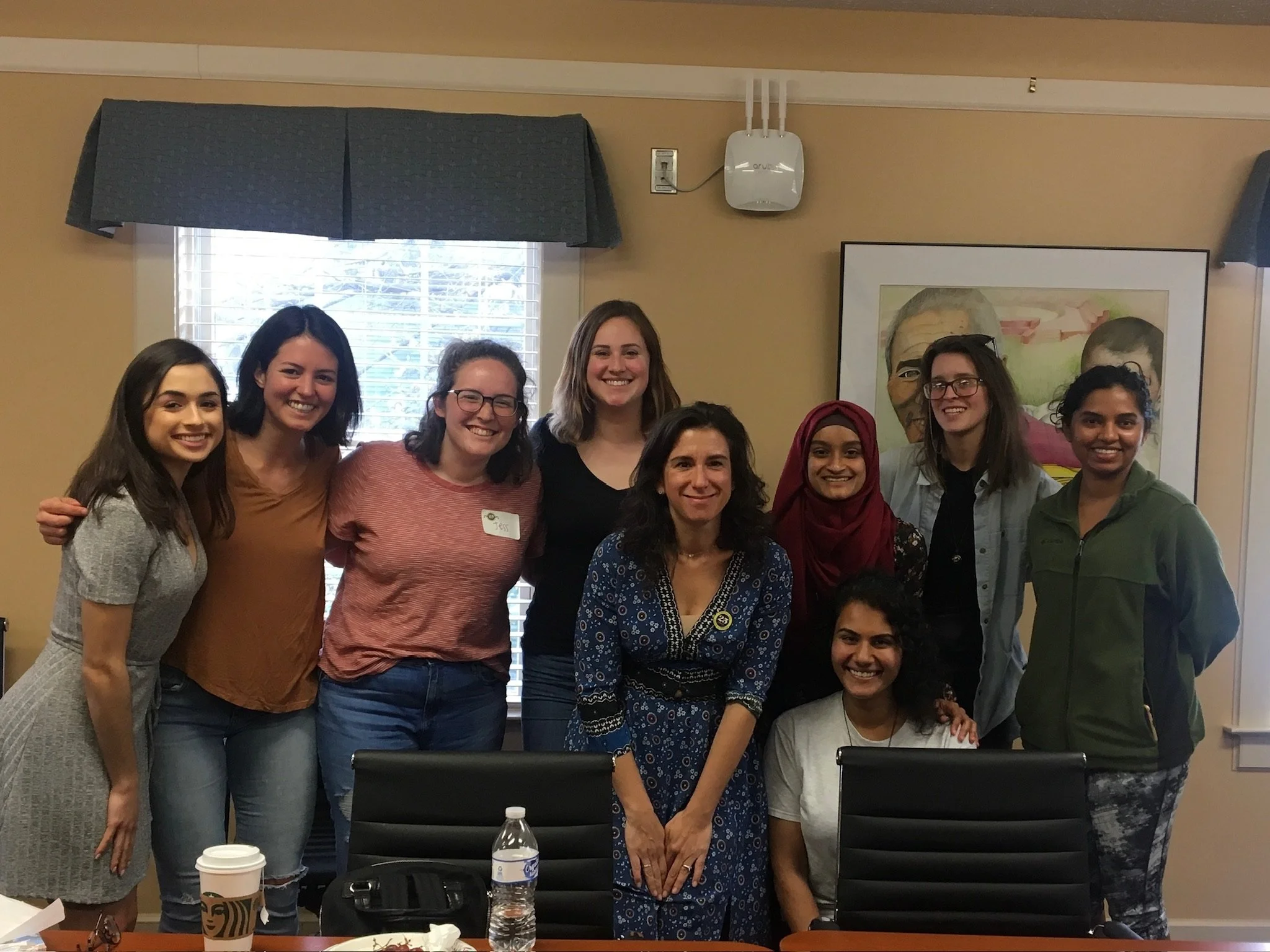
Their question gripped me. I’ve covered employment for so many years. Since the Weinstein story, I’ve been talking with students about how to find work of meaning. I have a daughter in the same cohort. Also, my own path was rocky– I was kicked off my college paper and then dropped out of law school. Even after I gave the speech, I couldn’t stop writing.
The result is How to Start: Discovering Your Life’s Work. I wrote it for anyone starting out (and the people who love them). It’s about navigating through a landscape of automation, financial and political anxiety, lowered expectations, and necessary compromises without losing a sense of aspiration. Seeking work of meaning. Making hard choices about risk, money and which advice to heed.
I do not want you to give up before you start. I’d be honored to see you at an event, hear your reaction on social media, or most of all, have your company in these pages.
Latest Reporting
-
![]()
Why The Times Is Expanding Its Supreme Court Coverage
Feb. 2, 2026 | TIMES INSIDER
How four reporters are examining the most secretive branch of government — and the nine justices who shape the law. -
![]()
How the Supreme Court Made Itself More Secretive
Feb. 2, 2026 | TIMES | VIDEO
Our investigative reported Jodi Kantor uncovered that Chief Justice John G. Roberts Jr. asked staff members at the Supreme Court to sign nondisclosure agreements shortly after the November 2024 election. -
![]()
How the Supreme Court Secretly Made Itself Even More Secretive
Feb. 2, 2026
Amid calls to increase transparency and revelations about the court’s inner workings, the chief justice imposed nondisclosure agreements on clerks and employees. -
![]()
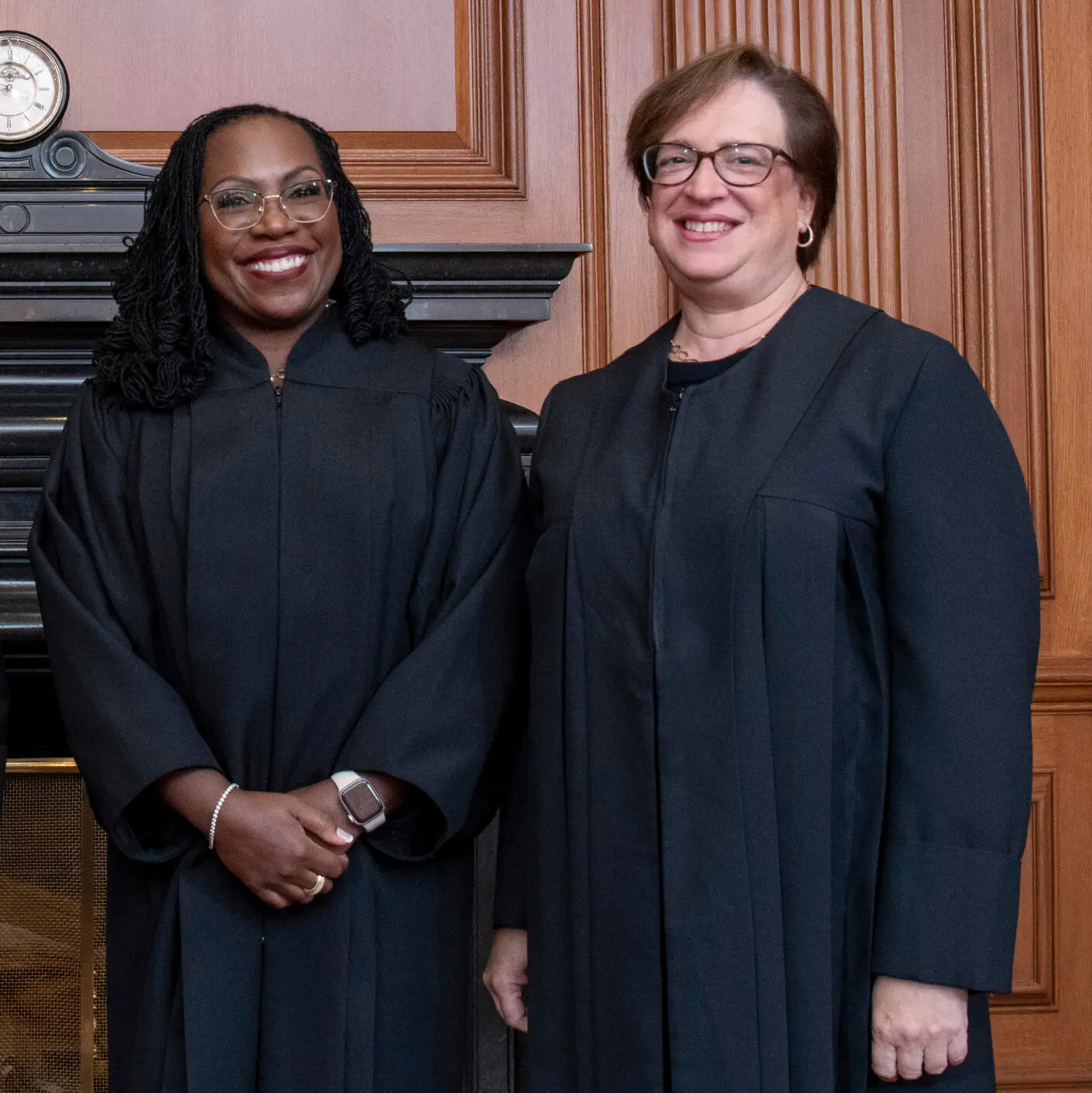
The Liberal Justices Aren't as United as You Might Think
Dec. 10, 2025
Justices Elena Kagan and Ketanji Brown Jackson are split over the best approach: investing in diplomacy inside the court or sounding the alarm outside.